

Ensures the high precision,high steady and high efficiency of our machines

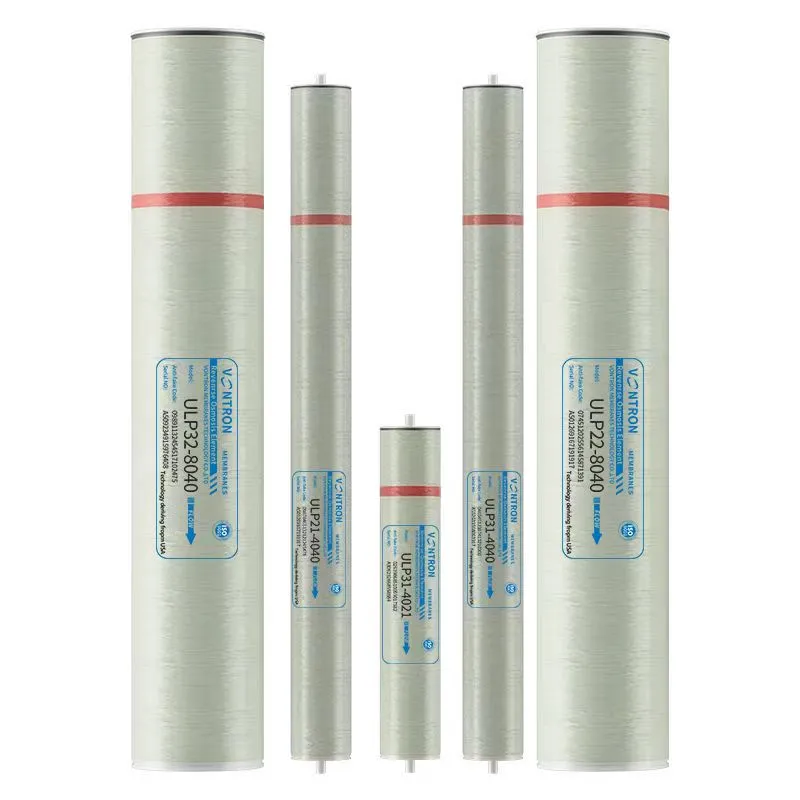
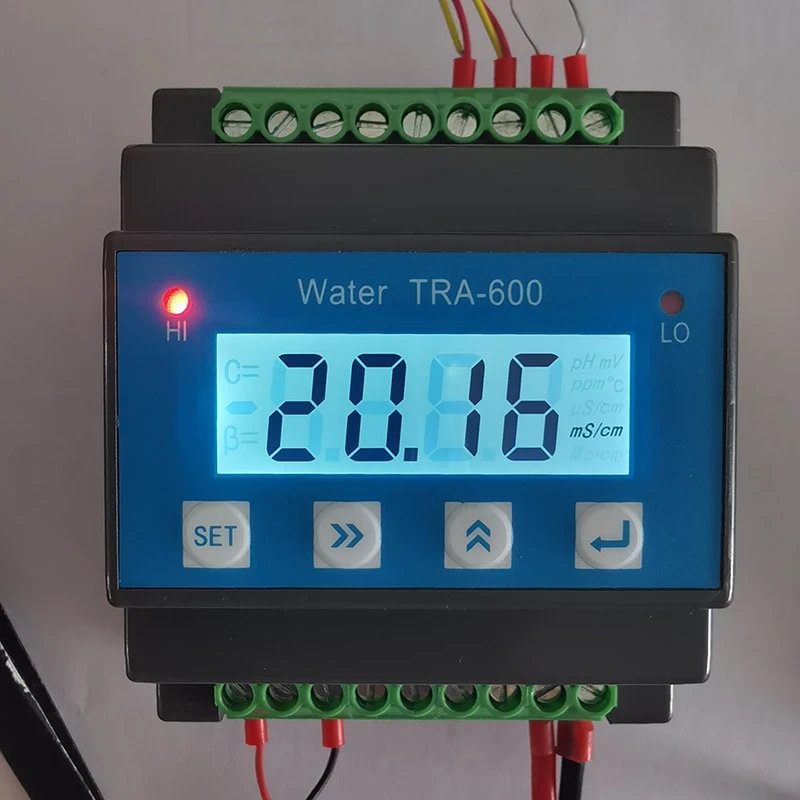
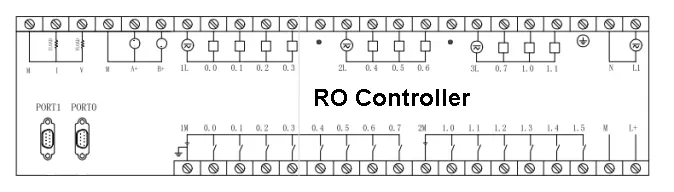
self irrigation system
In the demanding landscape of industrial water treatment, Reverse Osmosis (RO) systems are paramount for producing high-purity water. The efficiency, longevity, and operational cost of these systems are critically dependent on their control mechanisms. Advanced RO system controllers are not mere switches; they are sophisticated intelligent units designed to optimize performance, ensure reliability, and reduce manual intervention. These controllers manage various parameters, from membrane flushing to dissolved solids regulation and sterilization, making them indispensable components in modern water purification plants. The evolution of these devices has led to specialized units like the ro auto flush controller , integral for membrane longevity, and the tds controller machine , crucial for maintaining water quality standards. This comprehensive overview delves into the technical intricacies, applications, and market dynamics of these vital components, offering insights for B2B decision-makers and technical personnel. Industry Trends and Technological Advancements in RO Control The industrial water treatment sector is undergoing rapid transformation, driven by stringent regulatory standards, increasing water scarcity, and the need for operational efficiency. Modern RO system controllers are at the forefront of this evolution, incorporating features like IoT connectivity, AI-driven predictive maintenance, and enhanced automation. Trends indicate a shift towards fully integrated systems that offer real-time data analytics and remote monitoring, minimizing downtime and optimizing resource utilization. For instance, the demand for a precise ro auto flush controller has surged, as operators seek to maximize membrane lifespan and reduce chemical cleaning frequency. Similarly, the sophistication of the tds controller machine has grown, offering multi-stage TDS monitoring and adaptive control algorithms to maintain consistent permeate quality. The market also sees growing interest in compact, cost-effective solutions for smaller setups, exemplified by competitive ro uv controller price points that integrate sterilization capabilities efficiently. This technological progression is vital for industries requiring consistent, high-purity water for critical processes. Key RO Controller Types and Technical Parameters Differentiating between RO controller types is crucial for optimal system design. The ro auto flush controller is specifically designed to perform automatic flushing cycles for RO membranes, preventing scaling and fouling, thereby extending membrane life. These controllers typically feature programmable flush intervals, duration settings, and sometimes pressure-based activation. Another critical component is the tds controller machine , which continuously monitors the Total Dissolved Solids (TDS) levels of the permeate and, in advanced models, the feed water. It can activate alarms or shut down the system if TDS exceeds predefined limits, ensuring water quality. For systems requiring bacterial and viral inactivation, an ro uv controller integrates UV lamp operation, often with sensor feedback for lamp failure detection, influencing the overall ro uv controller price . Furthermore, simpler configurations often utilize an ro without tds controller for applications where feed water quality is stable or post-treatment ensures purity, focusing solely on basic RO operational logic. Below is a comparative table of typical parameters. Key Technical Parameters of RO System Controllers Feature/Controller Type RO Auto Flush Controller RO Without TDS Controller TDS Controller Machine RO UV Controller (Integrated) Primary Function Membrane Flushing Basic RO Operation TDS Monitoring & Control RO Operation + UV Sterilization Control Inputs Low Pressure, Tank Level Low Pressure, Tank Level TDS Sensor (Input/Output) LP, Tank Level, UV Sensor Control Outputs Flush Valve Pump, Solenoid Valve Pump, Alarm, Divert Valve Pump, UV Lamp, Alarms Programmability Flush Duration/Interval Basic ON/OFF logic TDS Setpoints, Alarms UV Cycle, Fault Alarms Typical Applications All RO Systems Basic Household/Small Commercial Critical Industrial, Pharmaceutical Laboratories, Healthcare, Food & Bev Connectivity Basic Relay/Digital I/O Simple Wiring 4-20mA, RS485, Modbus (Advanced) Digital I/O, Optional Serial The selection of a controller type significantly impacts the overall RO system's efficiency and the quality of purified water. For instance, an ro without tds controller might be suitable for non-critical applications, but high-stakes industries like pharmaceuticals or semiconductor manufacturing would undoubtedly require the precision and monitoring capabilities of a dedicated tds controller machine to comply with strict quality guidelines. Manufacturing Process and Quality Assurance of RO Controllers The production of high-quality RO system controllers, including advanced ro auto flush controller and precise tds controller machine units, involves a meticulous multi-stage manufacturing process to ensure reliability and performance in harsh industrial environments. Key materials often include industrial-grade ABS or polycarbonate for enclosures, providing excellent chemical resistance and durability. Internal components feature high-precision sensors (e.g., conductivity sensors for TDS, pressure transducers), robust microcontrollers, and industrial relays designed for long operational life. The manufacturing process typically involves: Component Sourcing & Incoming Inspection: Utilizing ISO 9001 certified suppliers for electronic components, sensors, and housing materials. Each batch undergoes rigorous quality checks for specifications and material integrity. PCB Assembly: Automated Surface Mount Technology (SMT) and Through-Hole Technology (THT) lines for precise circuit board population. This stage includes automated optical inspection (AOI) to detect soldering defects. Firmware Flashing & Calibration: Each controller receives its specific firmware, which is then calibrated against reference standards. For tds controller machine units, this involves multi-point calibration using standard conductivity solutions. Enclosure Fabrication & Integration: Housing components are typically molded from durable plastics, sometimes reinforced for specific applications like chemical resistance. Internal PCBs and wiring are meticulously integrated into the enclosure. Functional Testing: Every unit undergoes comprehensive functional tests simulating real-world operating conditions. This includes verifying relay outputs, sensor readings, and alarm functions. For ro auto flush controller units, flushing cycles are simulated and timed. Environmental Stress Testing: Batch testing includes temperature cycling, humidity exposure, and vibration tests to ensure performance under varied environmental conditions, adhering to standards like IEC 60068. Final Quality Check & Packaging: A final inspection for cosmetic defects, proper labeling, and packaging according to ANSI or local standards. The average lifespan of a well-engineered controller can range from 5 to 10 years, depending on environmental factors and maintenance. Applicable industries include petrochemical, metallurgy, power generation, food & beverage, and municipal water treatment, where durability and precision are non-negotiable. Technical Advantages and Application Scenarios The technical advantages of advanced RO system controllers translate directly into significant operational benefits for industrial clients. A key benefit of an efficient ro auto flush controller is enhanced membrane longevity, leading to reduced replacement costs (average membrane life extended by 15-20%) and less downtime. This mechanism actively combats scaling and fouling, crucial for systems treating challenging feedwater. For instance, in the petrochemical industry, preventing membrane degradation from complex organic compounds directly impacts the reliability of boiler feed water production. Similarly, a sophisticated tds controller machine offers precise control over water quality, essential for industries like pharmaceuticals where ultra-pure water is a critical ingredient. This precision minimizes product rejection rates and ensures compliance with cGMP standards. Consider a scenario in a pharmaceutical plant: a deviation in TDS levels can lead to entire batches of medication being discarded. An intelligent TDS controller with integrated alarms and automatic diversion capabilities provides an invaluable safeguard. Moreover, many controllers now feature energy-saving modes, optimizing pump cycles and reducing overall power consumption by up to 10-15% in certain configurations. The integration of corrosion-resistant materials in the controller's housing and connections ensures durability even in aggressive industrial environments, such as coastal desalination plants or facilities handling corrosive chemicals. The market also reflects a varied ro uv controller price , offering integrated sterilization for applications where biological purity is paramount, such as in food and beverage or healthcare. These units ensure that water not only meets chemical purity standards but is also free from microbiological contaminants, crucial for product safety and patient well-being. RO System Controller Performance Comparison Evaluating different RO system controllers requires a detailed look at their performance metrics, particularly for specialized units like the ro auto flush controller or an advanced tds controller machine . Performance benchmarks include response time, accuracy, power consumption, and data logging capabilities. Modern controllers offer significantly faster response times (typically <5 seconds for TDS changes), ensuring immediate corrective actions, critical in applications like power plant boiler feed water where even minor deviations can cause severe damage. Accuracy for TDS readings often ranges from ±1% to ±3% of full scale, with high-end models achieving greater precision. Comparative Performance Metrics: RO System Controllers Metric Standard (e.g., RO without TDS) Mid-Range (e.g., Auto Flush + Basic TDS) Advanced (e.g., Integrated Smart Controller) TDS Control Accuracy N/A (No control) ±3% F.S. (Full Scale) ±1% F.S. with Temp. Compensation Membrane Flush Control Manual or Basic Timer Programmable Duration/Frequency Adaptive (Pressure/Time-based), Smart Flush UV Control Integration None Simple ON/OFF (Manual/Timed) Lamp Failure Detection, Run Hour Meter Connectivity/Monitoring Local Indicators Digital Display, Basic Alarms IoT/Cloud, SCADA Integration (Modbus, Ethernet/IP) Power Consumption Low (5-10W) Moderate (10-20W) Efficient Design (15-30W, with advanced features) This comparison highlights how different controllers cater to varying operational needs and budget considerations. While an ro without tds controller might be cost-effective for basic applications, the long-term operational savings and enhanced reliability offered by an advanced tds controller machine often justify its higher initial investment. Customized Solutions and Case Studies For many industrial clients, off-the-shelf RO system controllers may not fully address unique process requirements. Leading manufacturers offer bespoke solutions, adapting controller logic, I/O configurations, and communication protocols. For example, a client in the semiconductor industry required a tds controller machine capable of ultra-low TDS detection (<1 ppb) and integration with their existing SCADA system via EtherNet/IP. Our engineers developed a custom controller module with enhanced sensing capabilities and proprietary communication drivers, resulting in a 25% reduction in system monitoring labor and a 5% improvement in water recovery rates due to optimized TDS-based rejection control. Another case involved a remote mining operation needing an ro auto flush controller with satellite-based remote monitoring capabilities due to limited onsite personnel. The customized solution incorporated a robust cellular/satellite modem and an expanded data logging capacity, allowing operators to schedule and monitor flush cycles from a central control room, thousands of miles away. This reduced unscheduled downtime by 18% and extended membrane life in harsh, high-turbidity conditions by 10 months. Our service history spanning over 20 years in industrial water treatment, coupled with partnerships with global engineering firms, underpins our capacity for delivering such tailored, high-impact solutions. These examples underscore the value of a flexible design approach, where understanding the specific challenges of each industrial setting leads to a superior, more efficient RO system control strategy. The competitive ro uv controller price in integrated systems also allows for comprehensive solutions that meet both chemical and microbiological purity requirements without prohibitive costs. Frequently Asked Questions (FAQ) Q1: What are the primary materials used in RO System Controller enclosures? A1: Industrial-grade ABS (Acrylonitrile Butadiene Styrene) and polycarbonate are commonly used due to their excellent resistance to chemicals, impact, and UV radiation, ensuring longevity in diverse operational environments. For harsh environments, fiberglass reinforced polyester (FRP) might be used. Q2: What is the typical installation standard for an industrial RO system controller? A2: Controllers typically adhere to NEMA 4X or IP65/IP66 standards for water and dust ingress protection. Electrical installations must comply with local electrical codes (e.g., NFPA 70 in the US, IEC standards globally) and manufacturer guidelines for wiring and grounding. Q3: How does an ro auto flush controller extend membrane life? A3: It periodically flushes the RO membranes with raw or permeate water at low pressure. This action dislodges accumulated salts, colloids, and organic foulants from the membrane surface, preventing irreversible scaling and fouling, which are primary causes of membrane degradation and flux decline. Q4: Can an ro without tds controller be upgraded to include TDS monitoring? A4: While a basic ro without tds controller handles fundamental operations, upgrading often requires replacing the controller unit with a model that supports TDS sensor inputs and display capabilities. Simply adding a sensor without controller integration will not provide automated control or alarms based on TDS levels. Q5: What factors influence the ro uv controller price ? A5: The price is influenced by several factors, including the UV lamp's power (wattage), flow rate capacity, presence of UV intensity sensors, lamp failure alarms, integration with the RO control logic, and the overall build quality and brand reputation. Advanced models with remote monitoring capabilities will naturally be at a higher price point. Q6: How often should the TDS sensor on a tds controller machine be calibrated? A6: Calibration frequency depends on the application's criticality, sensor type, and water quality. For industrial applications, quarterly to semi-annual calibration is recommended using certified calibration solutions. In highly critical processes, monthly checks might be necessary to maintain accuracy. Q7: What kind of data logging capabilities do advanced RO controllers offer? A7: Advanced controllers can log operational parameters such as permeate TDS, feed TDS, system pressure, flow rates, pump run times, and alarm events. This data is crucial for performance analysis, predictive maintenance, compliance reporting, and optimizing RO system efficiency. Data can often be exported via USB, Ethernet, or cloud platforms. Delivery, Warranty, and Customer Support Our commitment to clients extends beyond product delivery. We understand that seamless operation of RO systems is critical for industrial processes. Typical delivery timelines for standard ro auto flush controller or tds controller machine units range from 2-4 weeks, depending on customization requirements and order volume. For bespoke solutions, lead times may vary and are communicated clearly during the quotation process. All our RO system controllers come with a standard 12-month limited warranty covering manufacturing defects, with options for extended warranty programs. Our dedicated technical support team, available 24/7, provides troubleshooting, remote diagnostics, and on-site assistance as needed. We also offer comprehensive training for your operational staff to ensure they are proficient in managing and maintaining the control systems, maximizing uptime and efficiency. Our adherence to ISO 9001:2015 quality management standards underscores our promise of reliability and excellence in both product and service. References American Water Works Association. (2011). Water Quality and Treatment: A Handbook on Drinking Water . McGraw-Hill Professional. Crittenden, J. C., Trussell, R. R., Hand, D. W., Howe, K. J., & Tchobanoglous, G. (2012). Water Treatment: Principles and Design (3rd ed.). John Wiley & Sons. United States Environmental Protection Agency. (2016). Drinking Water Regulations and Health Advisories . EPA 822-F-16-003. Li, H., Wang, J., & Wang, L. (2018). Advanced Control Strategies for Reverse Osmosis Desalination Systems . Desalination, 443, 201-210. International Organization for Standardization. (2015). ISO 9001:2015 Quality Management Systems – Requirements .
Latest News
2026-04-05 23:03
Introduction to the LF55 Pressure Switch The LF55 pressure switch is a critical component in modern industrial systems, designed to monitor and regulate pressure levels automatically. This device ensures the safe and efficient operation of machinery such as pumps, hydraulic systems, and hydraulic machinery. Developed by Hebei JIRS Import & Export Co., Ltd. , the LF55 pressure switch combines advan
2026-04-05 23:30
Introduction to the LF55 Pressure Switch The LF55 pressure switch is a critical component in modern industrial systems, designed to monitor and control pressure levels with high precision. Developed by Hebei JIRS Import & Export Co., Ltd. , this device ensures safety and efficiency in applications ranging from hydraulic systems to pump operations. The LF55 is engineered to meet international stand
2026-04-05 23:14
The LF55 pressure switch is a critical component in modern industrial systems, designed to provide precise pressure monitoring and control. Developed by Hebei JIRS Import & Export Co., Ltd. , this device exemplifies the fusion of engineering excellence and practical design, ensuring reliability and adaptability across diverse applications. This article delves into the product's core features, tech
